
Your Dental Practice Loses Patients Every Time the Phone Rings Out
Every unanswered call at your dental practice is a booking, a recall or an emergency walking to the practice down the road. Here is how an AI receptionist stops the leak.

Buyer Psychology & AI Distribution Strategist
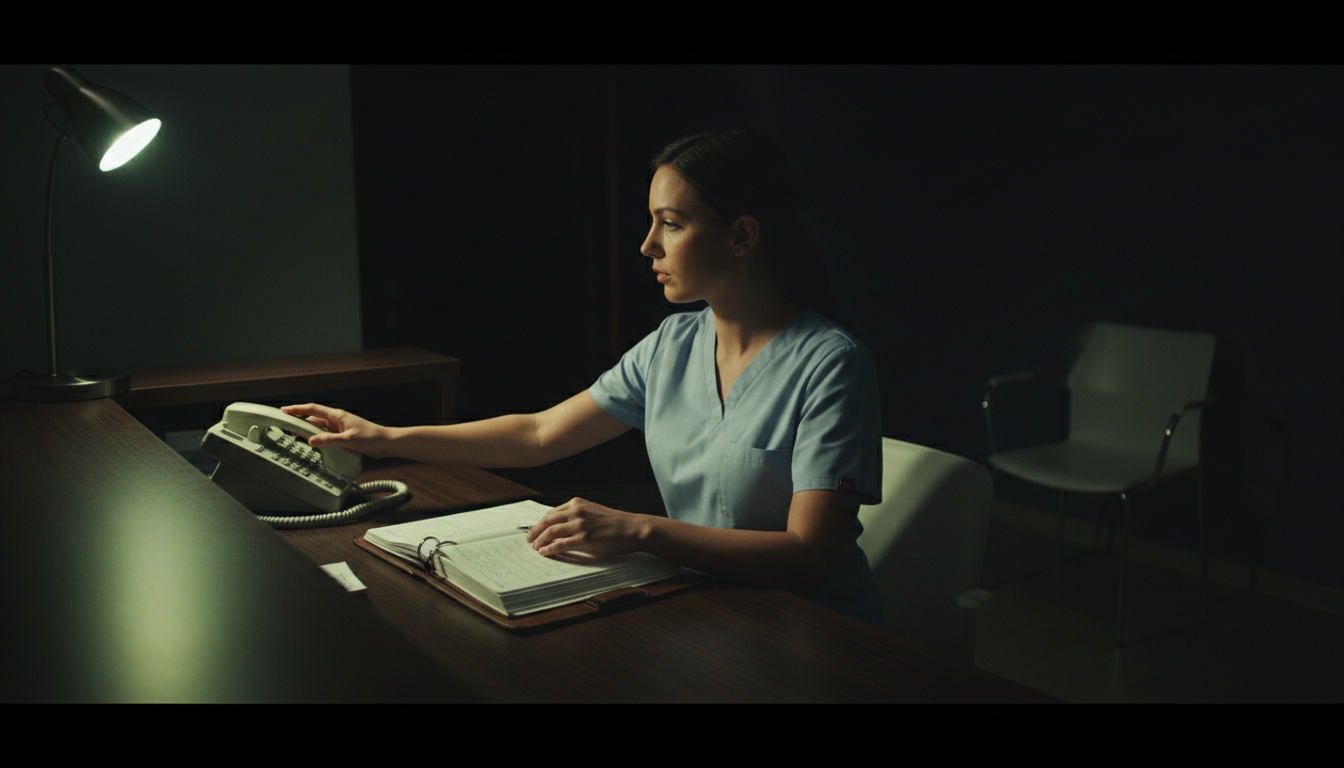
Your front desk staff are chairside with a patient. The phone rings. It rings out. That caller had a cracked filling, or wanted to rebook a lapsed check-up, or was a new private patient ready to book a hygiene appointment. They do not leave a voicemail. They call the practice down the road, and that one booking becomes a lifetime of appointments you will never see.
That is the real cost of a dental front desk that can only be in one place at once. Not the missed call. The patient behind it, and every recall, filling and referral that patient was worth over the next ten years.
The maths on a single missed call
A dental patient is not a one-off sale. They are recurring revenue: two check-ups a year, hygiene visits, the occasional filling or crown, family members who follow them in. Lose one to a rung-out phone and you have not lost a £25 exam, you have lost the lifetime value.
Most practices never see this loss because it never shows up. There is no line in the day-book for "call we did not answer". The front desk was doing exactly what you pay it to do, looking after the patient in the chair. The leak is invisible, which is precisely why it never gets fixed.
An AI receptionist for dental practices closes that gap by picking up the calls your team physically cannot. It answers in the practice's voice in under 60 seconds, whether it is 2pm during a busy list or 9pm on a Sunday, and it does the next step rather than just taking a message.
Emergency versus routine: the triage most tools get wrong
Most AI receptionist tools treat every call the same. A dental abscess at 9pm is not a routine cleaning enquiry, and handling it like one is how practices end up with a complaint or, worse, a patient in avoidable pain.
Good triage means the front desk knows the difference. A caller describing facial swelling, uncontrolled bleeding or a knocked-out tooth needs your emergency pathway now: your out-of-hours number, your same-day emergency slot, or clear NHS 111 guidance where that applies. A caller wanting to move next Tuesday's appointment needs the diary, not the panic button.
That routing has to be built on your rules, not a generic script. The Front Desk works to owner-set thresholds, so you decide what counts as an emergency, what it says, and where each type of caller goes. This is the practical layer the vendor pages skip, and it is the part that actually protects your patients and your indemnity.
NHS and private, routed correctly
UK practices carry a mix most software ignores: NHS patients, private patients, plan members, and a waiting list for each. A caller asking "are you taking on NHS patients?" needs a different, honest answer to a private enquiry ready to book a hygiene appointment today.
A front desk that cannot tell these apart either over-promises NHS availability you do not have or turns away private revenue you want. Getting this right means fewer awkward conversations at reception and more of the right patients in the right books. The routing logic sits inside a wider agentic AI system that remembers each patient's status, so the same caller is never re-triaged from scratch.
Recalls are the revenue you are already forgetting
The biggest quiet leak in most practices is not the missed call, it is the recall that never went out. When a patient drifts past their six-month check-up, the clock is not paused, it is broken. Research from the NHS on dental recall intervals exists precisely because regular attendance is what keeps small problems small. A lapsed recall is a patient heading toward a bigger, more expensive, more painful visit somewhere else.
Chasing recalls is exactly the work a busy front desk drops first, because there is always a patient in front of them who is more urgent than one who is not there yet. An AI receptionist that remembers every patient can call and text overdue recalls, offer real slots from your diary, and book them without a single member of staff lifting the phone. That is recurring revenue rebuilt from the list you already own.
Owned system, not a rented answering line
Most tools in this space are answering services with a new coat of paint. They pick up, they read a script, they forget the caller the moment the line drops. Next time that patient rings, it starts from zero.
The Front Desk is built the other way round. It remembers every patient, every enquiry and every booking, and it compounds: the more it handles, the better it routes, the more it sounds like your practice rather than a call centre. You are not renting minutes on someone else's system. You are installing a front desk that gets sharper the longer it works for you, all for less than the cost of a single support seat.
That is the difference between plugging a leak and building an asset. One stops calls slipping. The other turns your patient list into revenue that shows up on its own.
Stop losing the patient behind the call
Every call your team cannot reach right now is a booking, a recall or an emergency choosing another practice. You do not need to hire another receptionist to fix it, and you do not need to leave staff chained to the phone instead of the chair.
Test it on your own practice. Run the free Front Desk test drive and watch it answer a real dental enquiry in your voice, triage an emergency, and book a recall, in under a minute. See exactly what your phone has been quietly costing you.
Tags
FREE SOLOPRENEUR PLAYBOOKS
Escape the 'Build & Pray' trap today.
Get the free 0-Dollar Distribution Checklist and the Eugene Schwartz ICP Discovery Matrix Google Sheets. 100% free, zero friction.
Explore Free Playbooks & Templates →